Life eRice: semi-rigid insulation panels made from rice straw and wool to decarbonise Europe's buildings.
Turning agricultural waste into a carbon sink for construction
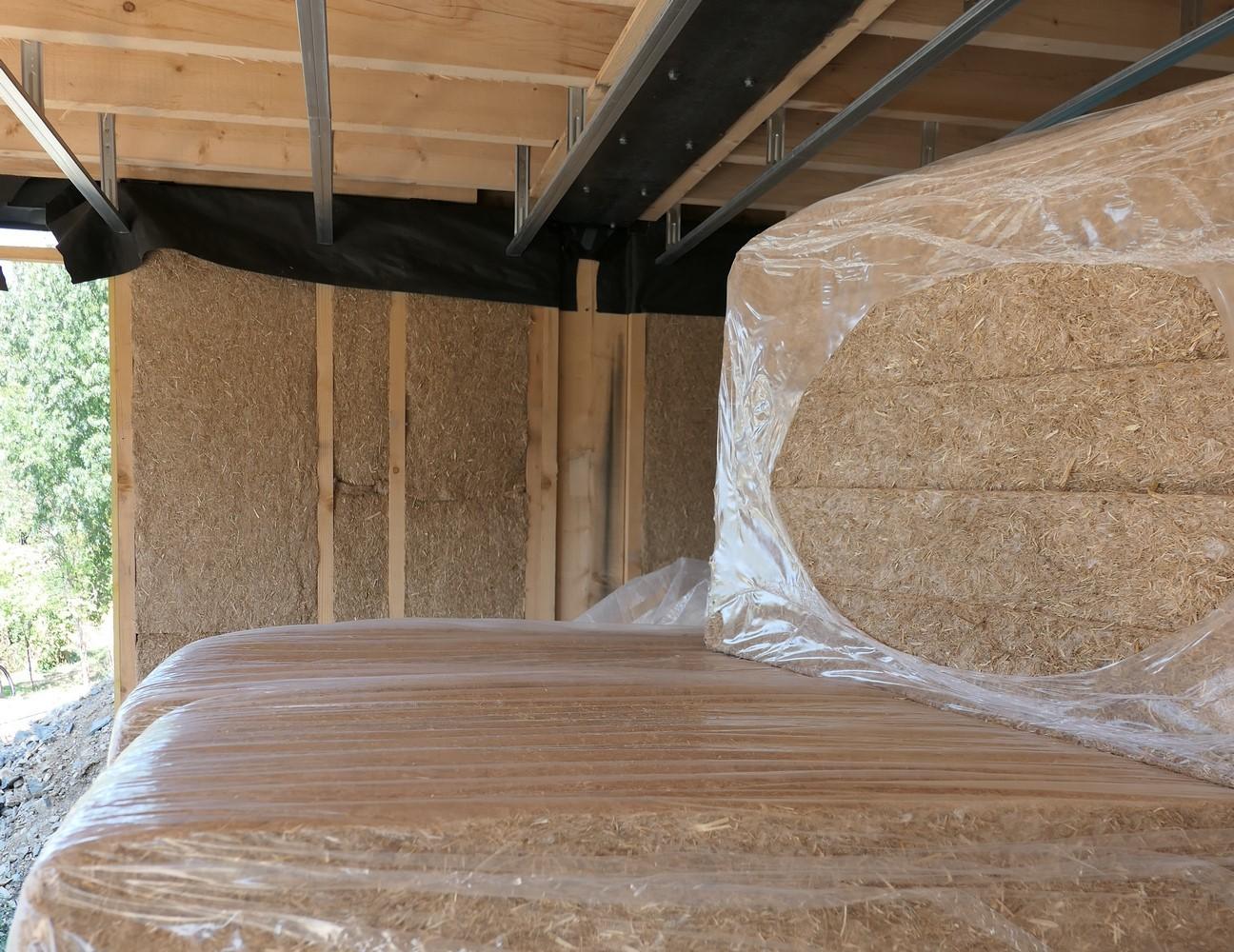
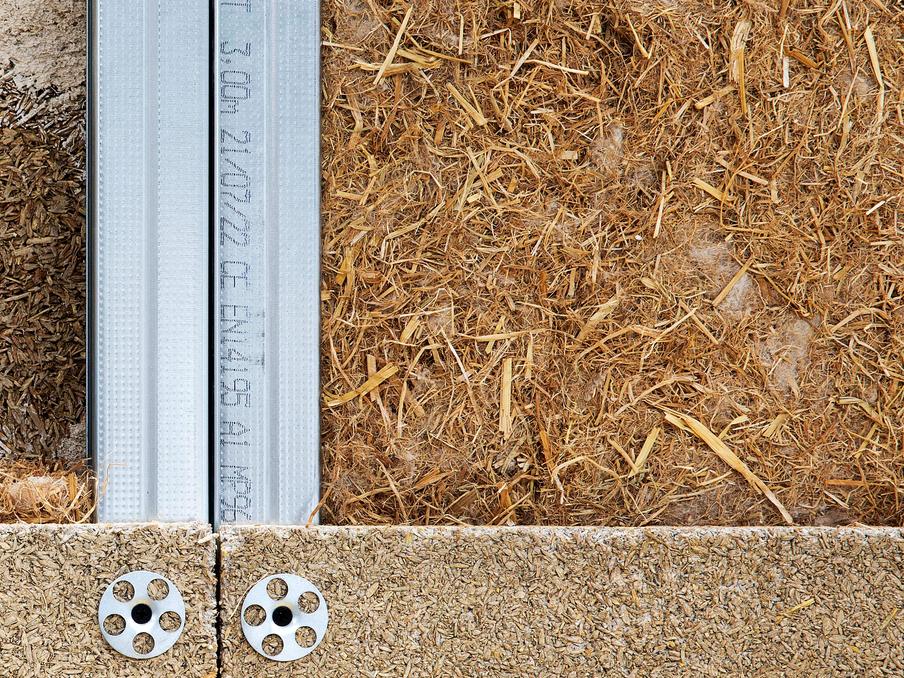
LIFE eRice is a project co-funded by the European Union's LIFE Programme and coordinated by Ricehouse. Its goal is to bring to market a new semi-rigid insulation panel made from rice straw, wool scraps and a thermoplastic binder. The panel is naturally resistant and breathable, and it stores CO₂ inside buildings throughout their lifetime.
Topic
LIFE-2025-SAP-CLIMA-CCM
Project number
101294197
Duration
07/2026 – 06/2029
Overall Budget
3.512.938,40 €
-
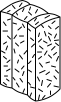
70% rice straw
-

15% wool scraps
-

15% thermoplastic material
Rice straw today and with Life eRice
-
Now
- Rice straw burnt in the fields
- CO₂ released into the atmosphere
- Standard production emissions
- Unused wool scraps
-
With Life eRice
- Rice straw used as a raw material
- 14.8 kg CO₂/m² stored long-term in installed panels
- 34% lower production emissions
- Wool scraps reused in the panel
Product features
Thermal insulation
With a thermal conductivity of λ = 0.036 W/mK, the eRice panel performs comparably to synthetic insulation materials.
Breathability
Manages humidity in buildings effectively, contributing to indoor comfort and healthy living spaces.
Fire resistance
Complies with European safety standards.
Production capacity
Current capacity is 45,000 m²/year, with a target of 200,000 m²/year on a double shift.
36 months to bring eRice to market
Total budget of €3,522,868, including €2,113,719 in non-repayable EU funding.
844.5 tonnes of CO₂ stored during the project alone.
The project includes a scalable programme of laboratory and on-site testing in Italy and Spain, covering a total of 6,000 m² installed at beta testers' sites. Tests cover thermal conductivity and resistance to water vapour diffusion. Target certifications are CE Marking, VOC, ETA and EPD.